


Simple understanding of sodium batteries
Sodium ion battery, also known as sodium ion battery, is a secondary battery that achieves charging and discharging through the insertion and extraction of sodium ions between the positive and negative electrodes. Its core structure includes a layered metal oxide positive electrode, a hard carbon negative electrode, and a sodium salt electrolyte. Its working principle is similar to that of lithium-ion batteries, belonging to the "rocking chair" charging and discharging system.
Compared to lithium batteries, sodium batteries have significant cost advantages due to their abundant sodium resources. The theoretical pack cost is 30% lower than that of lithium iron phosphate batteries, and their thermal stability is higher. It is expected that through technological iteration, they will achieve price competition with low-cost lithium batteries by 2030. By 2025, CATL's mass-produced battery cells will have an energy density of 175Wh/kg and support 90% energy output in low temperature environments of -40 ℃. The shipment volume of sodium batteries in China in 2023 is 0.7GWh.
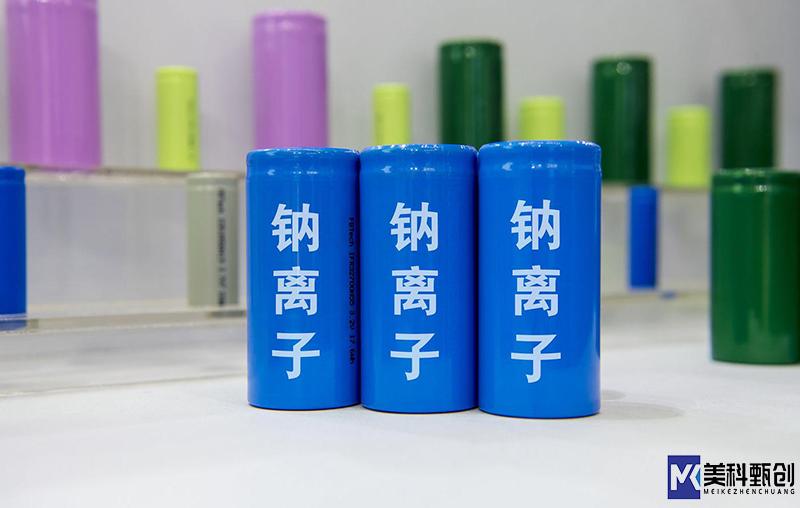
Sodium batteries are mainly used in fields such as energy storage and low-speed electric vehicles. Enterprises such as Zhongke Sodium and BYD have planned 30GWh level production lines, and CATL will achieve the world's first large-scale production of automotive grade sodium batteries by 2025. The current technological bottleneck is focused on improving cycle life and reducing the cost of hard carbon anodes.